
What Is the Minimum Size for a Tattoo?
- Apr 1
- 3 min read
It’s a question that comes up very often before a first project: what is the minimum size for a tattoo?
Many people want a subtle design, sometimes very small. But in tattooing, size isn’t just about aesthetics, it’s directly linked to readability, durability, and how well the tattoo will age over time.
Here’s what you need to know before deciding on the size of your tattoo.


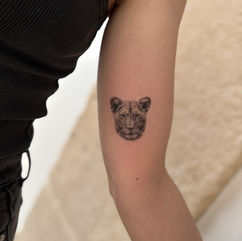

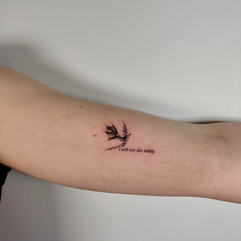





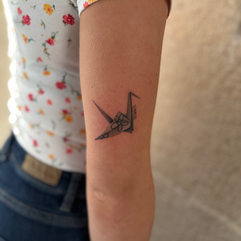
There Is No Universal Minimum Size
There’s no single rule that applies to all tattoos. The minimum size mainly depends on three elements:
the level of detail
the chosen style
the area of the body
A very simple symbol can be done in a small format, while a more complex design will need more space to remain readable.
Level of Detail: The Key Factor
The more detailed a tattoo is, the larger it needs to be.
Why? Over time, ink in the skin can spread slightly. If lines are too close together, they may:
merge
lose definition
make the design harder to read
This is especially true for:
very fine designs
complex illustrations
compositions with many elements
In these cases, the artist may recommend:
slightly increasing the size
simplifying certain details
spacing out the lines
The goal is always to ensure a long-lasting result.
The Influence of Style
Each tattoo style comes with its own constraints.
Fine line and minimalist
These styles allow for relatively small tattoos. However, even with fine lines, a minimum size is needed to prevent lines from fading or blending together.
Lettering
Size depends on the typography. Text that is too small or too tight can become difficult to read over time.
Realism and illustrative
These styles usually require more space. Shading, textures, and details need enough surface area to be rendered properly.
Ornamental
Size depends on the composition and placement. A design can be delicate, but it must remain balanced and readable on the chosen area.
The Role of Placement on the Body
The area of the body also affects the minimum size.
Some areas allow for more precise and durable tattoos:
forearm
arm
thigh
back
Other areas are more challenging:
fingers
hands
feet
highly mobile areas
In these zones, tattoos tend to evolve more quickly. A slightly larger size may be necessary to compensate for these constraints.
Why Avoid Tattoos That Are Too Small?
A very small tattoo may look appealing at first, but it comes with limitations:
loss of readability over time
lines merging together
disappearance of certain details
a less clean result after a few years
That’s why tattoo artists always aim for a balance between subtlety and durability.
The Importance of Artist Adjustments
During the design phase, the artist may suggest:
slightly increasing the size
adjusting proportions
simplifying certain elements
These adjustments are not random, they ensure the tattoo remains readable, balanced, and visually appealing over time.
A good tattoo isn’t just beautiful on the day it’s done, it should also age well.
In Summary
The minimum size of a tattoo depends on several factors:
the level of detail
the chosen style
the placement on the body
A simple design can be done small, but as soon as the design becomes more complex, a larger size is necessary.
The goal is always the same: to create a tattoo that remains clean, readable, and harmonious over time.
Book an Appointment at Rayon Noir
Do you have a project in mind but aren’t sure about the ideal size? Our team can help you adapt your idea to your skin and your style.
When sending your request, please include:
the area to be tattooed
the intended size (even approximate)
your visual references
the desired style
We’ll guide you toward the artist best suited to your project.



Comments