
Realistic Tattooing: How Does This Style Work?
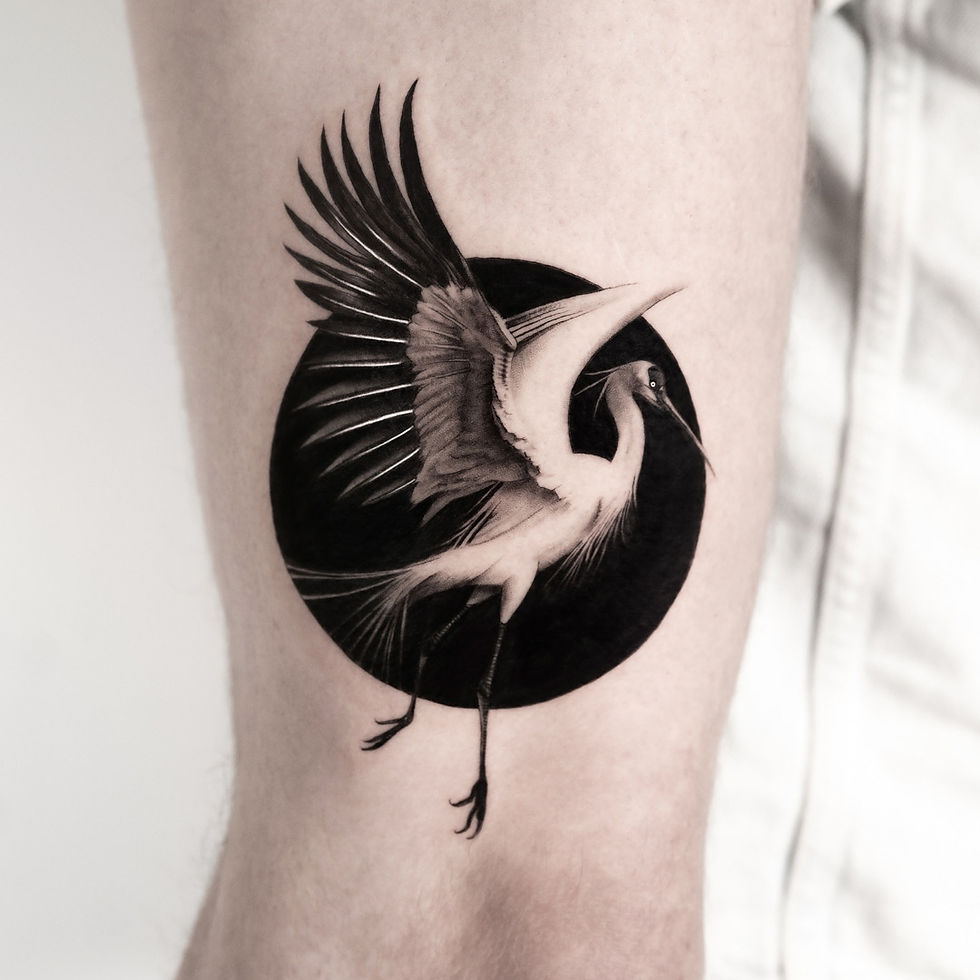
Realistic tattooing is one of the most technically impressive styles. Its goal is to reproduce a subject, whether a face, object, animal, or scene, with a level of detail close to photography.
But how does this style actually work? What are its constraints and specific features?
Here’s what you need to know before starting a realistic tattoo project.
What Is a Realistic Tattoo?
Realism aims to represent a subject as faithfully as possible by working with:
shadows
contrasts
textures
depth and volume
Unlike styles based on outlines, realism often relies on gradients and subtle shading to create the illusion of depth.
Realistic tattooing can take several forms:
realistic portraits (human or animal)
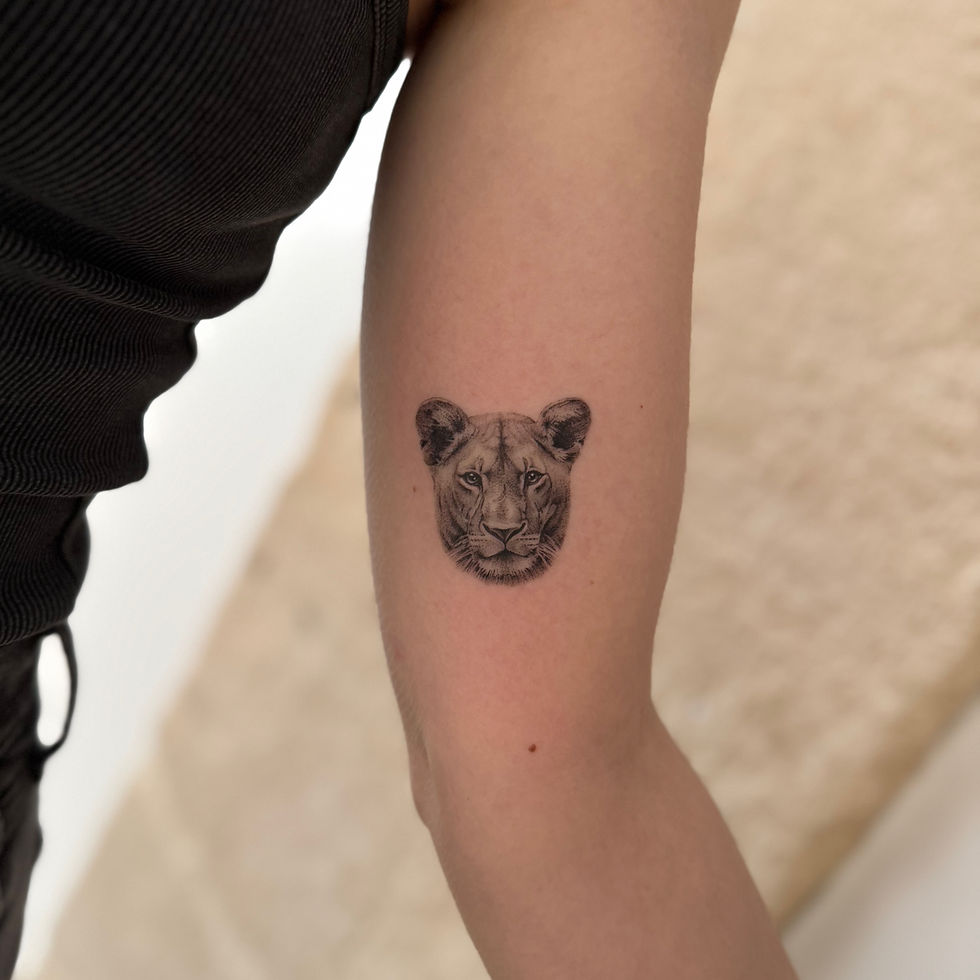
micro-realism (small but detailed formats)
artistic or surreal realism
Each approach depends on the artist’s style and the project itself.
The Role of Visual References
A realistic tattoo almost always starts with a reference image.
This can be:
a photograph
a portrait
an object
an existing composition
The quality of this image is essential. A sharp, high-contrast, and detailed reference will lead to a better result.
The artist doesn’t simply copy the image, they adapt it to the skin, placement, and technical constraints of tattooing.
The Importance of Size
Realism usually requires more space than other styles.
Why? Because details, shading, and textures need enough room to remain visible over time.
A tattoo that is too small may:
lose precision
oversimplify the subject
age less effectively
Micro-realism allows for smaller designs, but it still has limitations in terms of complexity.
Placement on the Body
Certain areas are better suited for realistic tattoos.
Ideal areas include:
arm
forearm
thigh
back
These surfaces allow for detailed work and more stable long-term results.
Very small or highly mobile areas are generally less suitable, as they limit precision and can accelerate how the tattoo changes over time.

The Process of a Realistic Tattoo
A realistic tattoo is developed in several stages:
analysis of the project and references
adaptation of the composition to the body
preparation of the design or stencil
execution during the session
Depending on the size, the tattoo may take several hours or require multiple sessions.
Patience and precision are key for this type of work.
How Realistic Tattoos Age
Like all tattoos, realistic work evolves over time.
Contrasts may soften slightly, and some details can become less sharp, this is a natural process.
To ensure good longevity, it’s important to:
choose an appropriate size
maintain strong contrast
protect the tattoo from the sun
A well-designed realistic tattoo will remain readable and balanced in the long term.

Can Realism Be Combined with Other Styles?
Yes. Realism can be combined with other artistic approaches, such as:
fine line
illustration
graphic elements
surreal compositions
These hybrid projects create unique tattoos that blend technical precision with artistic expression.
In Summary
Realistic tattooing relies on several key elements:
a strong visual reference
appropriate size
thoughtful placement
high technical precision
It’s a demanding style, but one that delivers highly expressive and detailed results.s.
Book an Appointment at Rayon Noir
Do you have a realistic tattoo project or want to discuss one? Our team can help adapt your idea to your skin and your style.
When sending your request, please include:
the area to be tattooed
the approximate size
your visual references
the desired style
We’ll guide you toward the artist best suited to your project.



Comments